









Traumatic brain injuries are often associated with physical symptoms such as headaches, dizziness, memory loss, and cognitive impairment. However, some of the most disruptive effects are behavioral and emotional changes that alter how a person thinks, reacts, and interacts with others. In many cases, these personality changes are among the most difficult aspects of recovery for both the injured person and their family.
After a serious accident in California, these changes can also play an important role in a personal injury claim. While they may not be visible on X-rays or MRIs, personality-related symptoms can significantly affect relationships, employment, independence, and overall quality of life.
Why Personality Changes Happen After a Traumatic Brain Injury
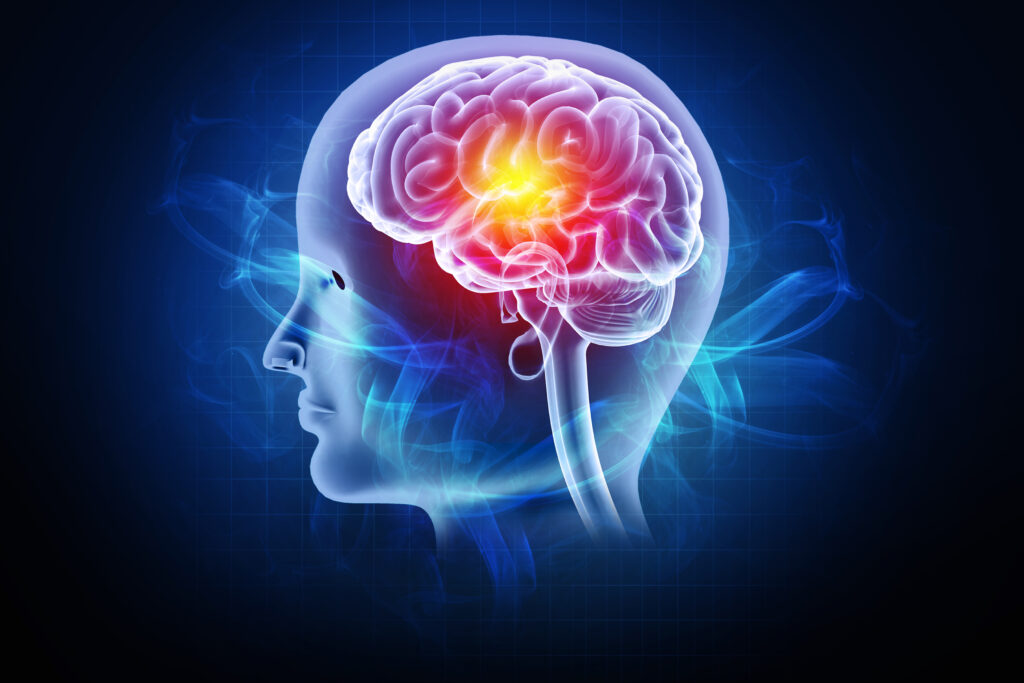
A traumatic brain injury can affect areas of the brain responsible for emotional regulation, impulse control, judgment, and communication. Even a moderate injury can disrupt how a person processes stress, reacts to situations, or interacts socially.
Common causes of traumatic brain injuries include:
- Car crashes.
- Motorcycle collisions.
- Bicycle accidents.
- Pedestrian accidents.
- Falls and premises liability incidents.
Depending on the severity and location of the injury, symptoms may appear immediately or develop gradually over time.
Common Personality and Behavioral Changes After a Brain Injury
Personality changes vary from person to person, but many victims experience emotional or behavioral symptoms that were not present before the accident.
These changes may include:
- Increased irritability or anger.
- Mood swings and emotional instability.
- Depression or anxiety.
- Social withdrawal and isolation.
- Impulsive or inappropriate behavior.
- Difficulty managing frustration.
- Reduced motivation or emotional responsiveness.
In some cases, family members describe the injured person as seeming like a “different person” afterward. These changes can significantly affect marriages, friendships, parenting, and workplace relationships.
How These Changes Affect Daily Life
The impact of personality changes often extends far beyond medical treatment. Many traumatic brain injury victims struggle to maintain routines and relationships they once handled without difficulty.
Long-term consequences may include:
- Difficulty returning to work.
- Conflict within personal relationships.
- Problems communicating effectively.
- Reduced independence in daily activities.
- Challenges in managing finances or responsibilities.
- Ongoing psychological treatment or counseling.
Because these symptoms are emotional and behavioral rather than visibly physical, they are frequently misunderstood by others, including insurance companies.
Why Insurance Companies Often Minimize These Symptoms
Insurance companies commonly focus on physical injuries that are easier to measure using imaging studies or surgical records. Personality and behavioral changes are often treated with skepticism because they are harder to quantify.
Common tactics include:
- Arguing that the symptoms are unrelated to the accident.
- Claiming the victim had pre-existing emotional issues.
- Downplaying how the symptoms affect daily life.
- Suggesting the victim has largely recovered physically.
- Minimizing the need for long-term therapy or support.
In many cases, insurers attempt to resolve claims before the full extent of the brain injury’s emotional impact is fully understood.
The Evidence That Strengthens Brain Injury Claims
Proving personality-related symptoms after a traumatic brain injury often requires detailed medical and personal documentation.
Important evidence may include:
- Neurological and neuropsychological evaluations.
- Medical records documenting cognitive and emotional symptoms.
- Testimony from family members, friends, or coworkers.
- Mental health treatment records.
- Employment records showing performance or behavioral changes.
- Expert opinions regarding long-term prognosis.
This evidence helps establish that the personality changes are real, medically connected to the injury, and affecting the victim’s life in meaningful ways.
How National Injury Help Assists Brain Injury Victims
At National Injury Help, our San Diego traumatic brain injury attorneys understand that the effects of a brain injury are not always visible. Personality changes can alter nearly every part of a person’s life, even when physical recovery appears to be progressing.
Our team works to:
- Investigate the full impact of the brain injury.
- Document emotional, behavioral, and cognitive changes.
- Work with medical experts to evaluate long-term effects.
- Challenge the insurance company’s efforts to minimize these claims.
If you or a loved one experienced personality changes after a traumatic brain injury in San Diego County, contact National Injury Help for a free consultation. Our attorneys are ready to help you understand your rights and pursue compensation that reflects the full impact of the injury.
Note: The information provided in this article is based on reports from publicly available sources, including news outlets, police reports, and eyewitness accounts. National Injury Help has not independently verified all details of the reported incident. If you find any inaccurate or outdated information, please contact us, and we will review and update the content as appropriate. The photo used in this post is for illustrative purposes only and does not depict the actual scene of the incident.
Disclaimer: The content of this article is intended for informational purposes only and does not constitute legal advice or establish an attorney-client relationship with National Injury Help. For legal assistance specific to your case, we encourage you to contact a qualified attorney.
Related Posts
Uninsured and Underinsured Motorist Coverage for California Scooter...
Electric scooters have become a standard mode of transportation in San Diego, from downtown and...

Estrella, AZ – Accidente con peatón en 75th...
Estrella, AZ (17 de julio de 2025) – Las autoridades respondieron a un accidente de...
Tourist Scooter Rentals in San Diego: When Out-of-State...
San Diego’s waterfront paths, beach neighborhoods, and tourist districts make electric scooters an appealing way...
Free Case Evaluation
Contact Us today for a FREE, Immediate Case Evaluation
Contact Us today for a FREE, Immediate Case Evaluation
Categories
Recent posts
- What Victims Need to Know When Dog Bite Injuries Exceed Insurance Policy Limits
- What Happens When an Out-of-State Driver Injures a Cyclist in California?
- The Legal Significance of Personality Changes After a Traumatic Brain Injury
- The Financial Burden of Long-Term Cognitive Rehabilitation After an Accident
- Pedestrian Injuries in Driveway Backover Accidents in San Diego Neighborhoods
What Our Clients Say