











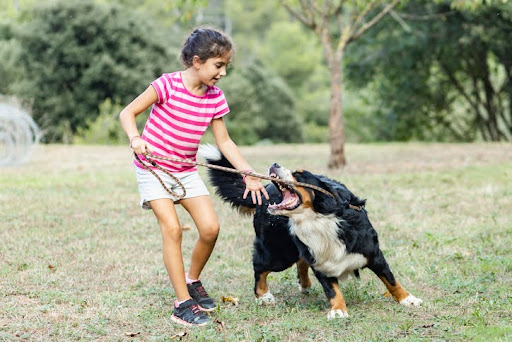
Dog attacks involving children often happen in places where families feel safe. In California, many of these incidents occur not inside private homes, but in shared community spaces such as apartment complexes, condominium grounds, and neighborhood common areas.
These environments create unique risks. Children move freely between homes, play areas, and walkways, often without knowing whether a dog nearby is safe. When an attack occurs, the question of liability can quickly become more complex than a typical dog bite claim.
Why Shared Community Spaces Increase the Risk of Dog Attacks
Shared property is designed for access. Residents, guests, and children regularly move through these areas, making dogs more likely to encounter unfamiliar people at close range.
Risk factors in these environments often include:
- Dogs being walked without proper control or restraint.
- Owners allowing pets to roam in common areas.
- Lack of clear separation between play areas and pet access zones.
- High foot traffic that creates unpredictable interactions.
- Children approaching dogs without understanding warning signs.
Unlike controlled environments, these shared spaces increase the likelihood of sudden, unplanned encounters.
Why Children Are Especially Vulnerable in These Incidents
Children face a higher risk of serious injury during dog attacks, particularly in shared community settings where supervision may be limited or momentary.
Several factors contribute to this vulnerability:
- Children are smaller and closer to a dog’s reach.
- They may not recognize signs of aggression or fear.
- Sudden movements or noise can trigger defensive behavior.
- Injuries are more likely to affect the face, neck, or upper body.
In many cases, the child does nothing wrong. The interaction escalates because the environment allows the dog and child to come into proximity without adequate safeguards.
California’s Strict Liability Law Still Applies in Shared Spaces
California law generally holds dog owners strictly liable for bite injuries, even when the incident occurs in a shared or communal area.
This means:
- The owner is responsible regardless of the dog’s prior behavior.
- The victim does not need to prove negligence.
- Liability applies if the child was lawfully present on the property.
Shared community property does not reduce the dog owner’s responsibility. If a child is injured in a common area, the legal standard remains focused on the fact that the bite occurred.
When Liability Extends Beyond the Dog Owner
Dog attacks in community settings often involve more than one responsible party. Property ownership, management, and control over the environment can all play a role in the incident’s occurrence.
Additional liability may arise when:
- A property owner or HOA allows dangerous dogs in common areas.
- Management fails to enforce leash or pet restrictions.
- Known risks are ignored or not addressed.
- Safety measures, such as signage or designated pet areas, are inadequate.
Identifying all responsible parties is especially important when injuries are severe and long-term care is required.
The Types of Injuries Children Suffer in These Attacks
Dog attacks involving children frequently result in injuries that go beyond immediate medical treatment. These cases often involve both physical harm and lasting emotional impact.
Common injuries include:
- Deep lacerations and puncture wounds.
- Facial injuries and scarring.
- Nerve damage affecting movement or sensation.
- Infections requiring ongoing care.
- Emotional trauma, including fear and anxiety.
Because children are still developing, these injuries can affect confidence, social interaction, and daily life well beyond the initial recovery period.
How Insurance Companies Attempt to Limit These Claims
Even in cases involving children, insurance companies often look for ways to reduce liability or shift responsibility. Shared property settings give insurers additional arguments to work with.
Common tactics include:
- Claiming the child approached or provoked the dog.
- Arguing the dog owner did not have sufficient control at the time.
- Suggesting the property owner is not responsible for tenant behavior.
- Attempting to minimize emotional or long-term harm.
These arguments are frequently used to reduce compensation, even when the facts clearly support the child’s claim.
The Evidence That Strengthens Community Dog Attack Claims
Because multiple parties may be involved, strong documentation is essential to establish both liability and the full scope of damages.
Important evidence may include:
- Incident reports from property management or animal control.
- Photos or videos of the location and conditions.
- Witness statements from residents or bystanders.
- Medical records documenting injuries and treatment.
- Records of prior complaints or known issues involving the dog.
- HOA rules or property policies related to pets.
This evidence helps clarify whether the attack could have been prevented and who was responsible for acting.
Why These Cases Require a Detailed Investigation
Dog attacks in shared community spaces often involve overlapping responsibilities between individuals and entities. Without a thorough investigation, key details may be overlooked.
A careful analysis may reveal:
- Whether the dog owner followed leash and control requirements.
- Whether the property owner or the HOA enforced safety rules.
- Whether prior incidents or warnings were ignored.
- Whether the environment created an unreasonable risk to children.
Understanding these factors is essential to building a claim that reflects the full extent of what occurred.
How National Injury Help Assists Families After Dog Attacks
At National Injury Help, our San Diego dog bite attorneys understand how devastating dog attacks involving children can be. These cases require careful handling, not only to establish liability but to fully account for the long-term impact on the child and family.
Our team works to:
- Identify all responsible parties involved in the incident.
- Gather evidence that supports liability and damages.
- Document both physical injuries and emotional trauma.
- Challenge the insurance company’s efforts to minimize the claim.
If your child was injured in a dog attack on shared community property in California, contact National Injury Help for a free consultation. Our San Diego County Personal Injury attorneys are ready to help you understand your rights and pursue the compensation your family needs to move forward.
Related Links :
- Understanding California’s Strict Liability Laws for Dog Bite Injuries
- Understanding California’s Strict Liability Law for Dog Bites in Public Places
- Children and Dog Bites: Why they’re at Greater Risk and How Families Can Protect Them
- Beyond the Bite: Addressing Emotional Trauma After a Dog Attack in California
- Dog Bite Injuries on Rental Properties: What California Tenants and Visitors Need to Know About Liability
Note: The information provided in this article is based on reports from publicly available sources, including news outlets, police reports, and eyewitness accounts. National Injury Help has not independently verified all details of the reported incident. If you find any inaccurate or outdated information, please contact us, and we will review and update the content as appropriate. The photo used in this post is for illustrative purposes only and does not depict the actual scene of the incident.
Disclaimer: The content of this article is intended for informational purposes only and does not constitute legal advice or establish an attorney-client relationship with National Injury Help. For legal assistance specific to your case, we encourage you to contact a qualified attorney.
Related Posts
California Dog Bite Statute of Limitations: How Long...
Dog bite injuries can cause lasting physical and emotional harm. From puncture wounds and scarring...

The Ripple Effect of Distracted Driving: How One...
Distracted driving is one of the leading causes of traffic collisions in California and across...
The mysterious disease that killed my grandfather we...
January 23, 2015 - My grandfather was a strong man and worked most of his...
Free Case Evaluation
Contact Us today for a FREE, Immediate Case Evaluation
Contact Us today for a FREE, Immediate Case Evaluation
Categories
Recent posts
- Pedestrian Injuries in Driveway Backover Accidents in San Diego Neighborhoods
- Dog Attacks Involving Children on Shared Community Property in California
- Blind Spot Collisions Involving Motorcycles on San Diego Freeways
- Catastrophic Leg Injuries After Motorcycle Crashes in San Diego: What Victims Need to Know
- Dog Bites During Home Service Visits in San Diego: Who Is Liable?
What Our Clients Say