












Pedestrian accidents in San Diego often result in some of the most serious orthopedic injuries seen in personal injury cases. When a person on foot is struck by a vehicle, there is no protection from the force of impact. Bones, joints, and connective tissues absorb that force directly, often leading to injuries requiring surgery, long-term care, and significant lifestyle adjustments.
These cases are not just about immediate medical treatment. They often involve lasting physical limitations, ongoing pain, and complex legal questions about how the injury will affect a person’s future.
Why Pedestrian Accidents Lead to Orthopedic Trauma
When a vehicle strikes a pedestrian, the body is typically hit at multiple points in rapid succession. The initial impact may occur at the legs or hips, followed by secondary contact with the hood, windshield, or ground. Each stage of impact increases the risk of serious orthopedic damage.
Common crash scenarios in San Diego include:
- Vehicles failing to yield at crosswalks.
- Drivers are turning through intersections without checking for pedestrians.
- Collisions in parking lots or near commercial areas.
- Impacts in residential neighborhoods where visibility is limited.
Even at lower speeds, these incidents can generate enough force to cause complex fractures and joint injuries.
The Types of Severe Orthopedic Injuries Pedestrians Suffer
Orthopedic injuries in pedestrian cases are often more complicated than standard fractures. Many involve multiple breaks, joint disruption, or damage to surrounding soft tissue.
These injuries may include:
- Fractures of the legs, arms, or pelvis.
- Hip fractures require surgical repair or replacement.
- Knee injuries involving ligaments and cartilage.
- Shoulder fractures and dislocations.
- Spinal fractures affect stability and movement.
- Complex fractures that require plates, screws, or rods.
In many cases, the injury extends beyond the bone itself, affecting muscles, tendons, and nerves.
Why These Injuries Often Require Long-Term Treatment
Orthopedic injuries from pedestrian accidents rarely resolve with a single procedure. Many victims face a prolonged recovery process that includes multiple stages of care.
Treatment may involve:
- Emergency surgery to stabilize fractures.
- Follow-up procedures to address complications.
- Physical therapy to restore strength and mobility.
- Pain management for chronic symptoms.
- Assistive devices during recovery or permanently.
Some injuries never fully heal, leaving victims with permanent limitations that affect work, independence, and daily life.
How These Injuries Impact Daily Function and Employment
Severe orthopedic injuries can disrupt nearly every aspect of a person’s routine. Activities that once felt automatic, such as walking, lifting, or standing for extended periods, may become difficult or impossible.
Common long-term impacts include:
- Reduced mobility or range of motion.
- Inability to return to physically demanding work.
- Ongoing pain that interferes with daily activities.
- Need for modified work duties or career changes.
- Loss of independence in severe cases.
For many San Diego pedestrians, the financial and personal consequences of these injuries extend far beyond the initial accident.
Why Insurance Companies Minimize Orthopedic Injury Claims
Despite the seriousness of these injuries, insurance companies often attempt to frame orthopedic damage as routine or fully recoverable. This approach allows them to reduce settlement offers and avoid accounting for long-term consequences.
Common tactics include:
- Focusing only on initial treatment rather than future care.
- Assuming overly optimistic recovery timelines.
- Ignoring complications such as chronic pain or limited mobility.
- Downplaying the impact on employment and earning capacity.
These strategies can significantly undervalue claims, particularly when victims are still in the early stages of recovery.
The Evidence That Strengthens Pedestrian Injury Cases
Accurately valuing a severe orthopedic injury requires detailed documentation of both the injury itself and its long-term effects.
Important evidence often includes:
- Imaging studies such as X-rays, CT scans, and MRIs.
- Surgical records and physician evaluations.
- Physical therapy and rehabilitation reports.
- Expert opinions on future medical needs.
- Employment records showing lost income or limitations.
- Evidence of how the injury affects daily life.
This information helps establish that the injury is not temporary but a lasting condition with ongoing consequences.
How National Injury Help Assists Injured Pedestrians
At National Injury Help, our San Diego pedestrian injury attorneys understand the complexity of orthopedic injury cases. These claims require careful evaluation of both immediate medical needs and long-term impact.
Our team works to:
- Investigate how the accident occurred and establish liability.
- Document the full extent of orthopedic injuries.
- Challenge the insurance company’s attempts to minimize damages.
- Pursue compensation that reflects both current and future losses.
If you were injured as a pedestrian in San Diego County and are dealing with serious orthopedic injuries, contact National Injury Help for a free consultation. Our attorneys are ready to help you understand your rights and pursue the compensation you need to move forward.
Related Blogs
- How Speeding in Residential Zones Leads to Catastrophic Pedestrian Injuries in California
- Crosswalk Collisions in San Diego: Why “Right of Way” Still Leaves Pedestrians at Risk
- Comparative Negligence in California: When Pedestrians Are Blamed for Their Own Injuries
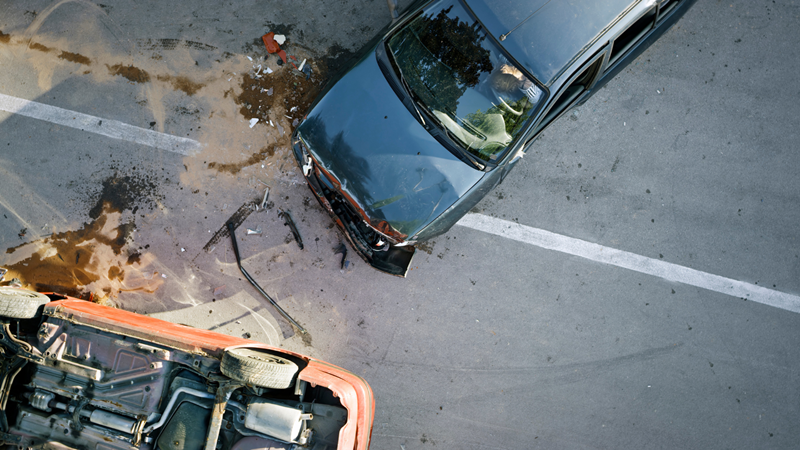
Note: The information provided in this article is based on reports from publicly available sources, including news outlets, police reports, and eyewitness accounts. National Injury Help has not independently verified all details of the reported incident. If you find any inaccurate or outdated information, please contact us, and we will review and update the content as appropriate. The photo used in this post is for illustrative purposes only and does not depict the actual scene of the incident.
Disclaimer: The content of this article is intended for informational purposes only and does not constitute legal advice or establish an attorney-client relationship with National Injury Help. For legal assistance specific to your case, we encourage you to contact a qualified attorney.
Related Posts

The Role of Speeding in Urban Pedestrian Accidents...
Speeding is one of the leading causes of pedestrian accidents in California’s urban areas. Reckless...
Glendale, AZ – Choque entre tres vehículos en...
Glendale, AZ (23 de julio de 2025) – Un choque entre tres autos dejó varias...
Paradise California Camp Fire Lawsuit – PG&E says...
November 13, 2018 -- San Diego, CA. In yet another massive wildfire in northern California,...
Free Case Evaluation
Contact Us today for a FREE, Immediate Case Evaluation
Contact Us today for a FREE, Immediate Case Evaluation
Categories
Recent posts
- Why Helmet Law Disputes Can Complicate Motorcycle Injury Claims in California
- What Victims Need to Know When Dog Bite Injuries Exceed Insurance Policy Limits
- What Happens When an Out-of-State Driver Injures a Cyclist in California?
- The Legal Significance of Personality Changes After a Traumatic Brain Injury
- The Financial Burden of Long-Term Cognitive Rehabilitation After an Accident
What Our Clients Say