










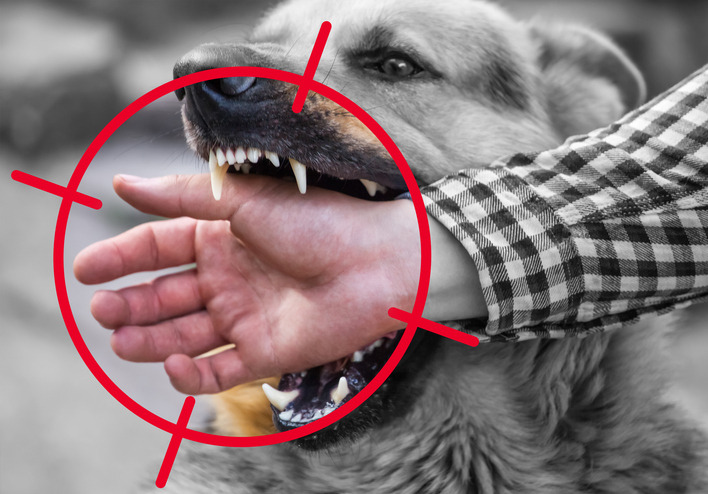
Dog bite injuries are often discussed in terms of stitches, surgeries, and scarring. What is discussed far less, but can be just as damaging, is the emotional trauma that follows an attack. For many victims, especially children, the psychological impact of a dog bite lingers long after the physical wounds heal.
California law recognizes that dog attacks cause more than visible injuries. Emotional distress, fear, anxiety, and long-term psychological harm are real damages, and they may be compensable as part of a personal injury claim. Understanding how emotional trauma is evaluated and proven is essential for victims seeking full and fair compensation.
Why Dog Attacks Cause Lasting Emotional Harm
Dog attacks are sudden, violent, and deeply personal. Victims are often caught off guard, knocked to the ground, or bitten repeatedly, creating a sense of helplessness and fear that can be difficult to overcome.
Emotional trauma may develop because:
- The attack occurs without warning.
- Victims feel powerless during the incident.
- Injuries are painful, bloody, or disfiguring.
- Recovery involves repeated medical procedures.
- The attack changes how victims feel about everyday activities.
For many people, the psychological injury becomes intertwined with the physical recovery process, slowing healing and affecting daily life.
Common Forms of Emotional Trauma After a Dog Bite
Emotional injuries from dog attacks vary widely depending on the victim’s age, the severity of the attack, and prior experiences. These injuries are not always immediate and may emerge weeks or months later.
Common forms of emotional trauma include:
- Anxiety around dogs or animals in general.
- Fear of walking outdoors or visiting parks.
- Nightmares or sleep disturbances.
- Post-traumatic stress symptoms.
- Social withdrawal or avoidance behaviors.
- Loss of confidence or independence.
Children may experience regression, behavioral changes, or school-related issues, while adults may struggle with heightened fear, irritability, or emotional distress that interferes with work and relationships.
Emotional Trauma Is a Recognized Damage Under California Law
California personal injury law allows victims to recover compensation for non-economic damages, which include pain, suffering, and emotional distress. In dog-bite cases, this means victims are not limited to reimbursement for medical expenses.
Compensation may account for:
- Mental anguish and emotional suffering.
- Loss of enjoyment of life.
- Psychological impact of permanent scarring or disfigurement.
- Emotional distress tied to ongoing fear or anxiety.
These damages acknowledge that harm is not always measurable by medical invoices alone.
How Emotional Trauma Is Proven in Dog Bite Claims
Insurance companies often attempt to minimize emotional harm by labeling it as subjective or exaggerated. Proving emotional trauma requires thoughtful documentation and evidence that shows how the injury affects the victim’s life.
Evidence may include:
- Mental health evaluations or counseling records.
- Testimony from therapists or treating providers.
- Statements from family members describing behavioral changes.
- Journals or personal accounts documenting fear or anxiety.
- Medical records noting stress-related symptoms.
- Photographs showing visible scarring tied to emotional distress.
The goal is to demonstrate that emotional trauma is real, persistent, and directly connected to the dog attack.
Why Children’s Emotional Injuries Deserve Special Consideration
Children are particularly vulnerable to emotional trauma after dog attacks. A frightening encounter can permanently alter a child’s perceptions of animals, outdoor play, or personal safety.
Children may experience:
- Long-term fear of dogs.
- Separation anxiety.
- Developmental or behavioral changes.
- Difficulty sleeping or concentrating.
- Increased emotional sensitivity.
Because children are still developing emotionally, trauma can have lasting effects that must be carefully evaluated and accounted for in a claim. Courts often take these impacts seriously, especially when supported by professional assessments.
The Role of Scarring and Disfigurement in Emotional Damages
Visible scars, particularly on the face, neck, arms, or legs, often intensify emotional distress. Victims may feel self-conscious, avoid social situations, or experience anxiety about how others perceive them.
Emotional harm tied to scarring may include:
- Loss of self-esteem.
- Social isolation.
- Ongoing distress about appearance.
- Anxiety about future medical procedures.
These effects often persist even after physical healing and should be reflected in the claim’s overall value.
Why Insurance Companies Resist Paying for Emotional Harm
Unlike medical bills, emotional trauma does not come with a fixed price tag. Insurers frequently attempt to downplay these damages by arguing that emotional injuries are temporary, exaggerated, or unrelated to the attack.
This resistance makes careful legal presentation essential. Without strong documentation, insurers may offer settlements that ignore the true scope of a victim’s suffering.
How National Injury Help Advocates for Full Compensation
At National Injury Help, our San Diego attorneys understand that dog bite cases are not just about wounds and medical care. We work to ensure that emotional trauma is taken seriously and fully accounted for in compensation proceedings.
Our team helps clients by:
- Gathering evidence that documents psychological harm.
- Working with medical and mental health professionals.
- Demonstrating how emotional injuries affect daily life.
- Challenging insurer efforts to minimize non-economic damages.
We pursue compensation that reflects the full impact of a dog attack, not just the bills that arrive in the mail.
If you or your child suffered emotional trauma after a dog bite in California, contact National Injury Help for a free consultation. Our San Diego County attorneys are committed to helping victims recover compensation that addresses both physical injuries and the lasting emotional toll of a dog attack.
Related Blogs
- Children and Dog Bites: Why they’re at Greater Risk and How Families Can Protect Them
- Beyond the Bite: Addressing Emotional Trauma After a Dog Attack in California
- Dog Bite Injuries on Rental Properties: What California Tenants and Visitors Need to Know About Liability
- Understanding California’s Strict Liability Laws for Dog Bite Injuries
- Crosswalk Collisions in San Diego: Why “Right of Way” Still Leaves Pedestrians at Risk
Note: The information provided in this article is based on reports from publicly available sources, including news outlets, police reports, and eyewitness accounts. National Injury Help has not independently verified all details of the reported incident. If you find any inaccurate or outdated information, please contact us, and we will review and update the content as appropriate. The photo used in this post is for illustrative purposes only and does not depict the actual scene of the incident.
Disclaimer: The content of this article is intended for informational purposes only and does not constitute legal advice or establish an attorney-client relationship with National Injury Help. For legal assistance specific to your case, we encourage you to contact a qualified attorney.
Related Posts

Tucson, AZ – Accidente con heridos en Campbell...
Tucson, AZ (20 de julio de 2025) – Un accidente de tránsito en Tucson dejó...
Artificial Turf – Field of Dreams or Fields...
San Diego, CA December 19, 2014 Recent studies and news articles on the ubiquitous grass...

When Trucking Companies Cut Corners: How Maintenance Failures...
Large trucks are essential to California’s economy, moving goods through San Diego County and across...
Free Case Evaluation
Contact Us today for a FREE, Immediate Case Evaluation
Contact Us today for a FREE, Immediate Case Evaluation
Categories
Recent posts
- Shared Road Conflicts: How California’s Three-Foot Passing Law Plays Out in Bicycle Injury Claims
- Compensation Beyond Medical Bills: Emotional Trauma in California Dog Bite Cases
- Comparative Negligence in California: When Pedestrians Are Blamed for Their Own Injuries
- Phoenix, AZ – One Dead, One Injured in Two-Vehicle Crash at 35th Ave & Northern Ave
- Tucson, AZ – Injuries Reported in Crash at Stone Ave & Roger Rd
What Our Clients Say