






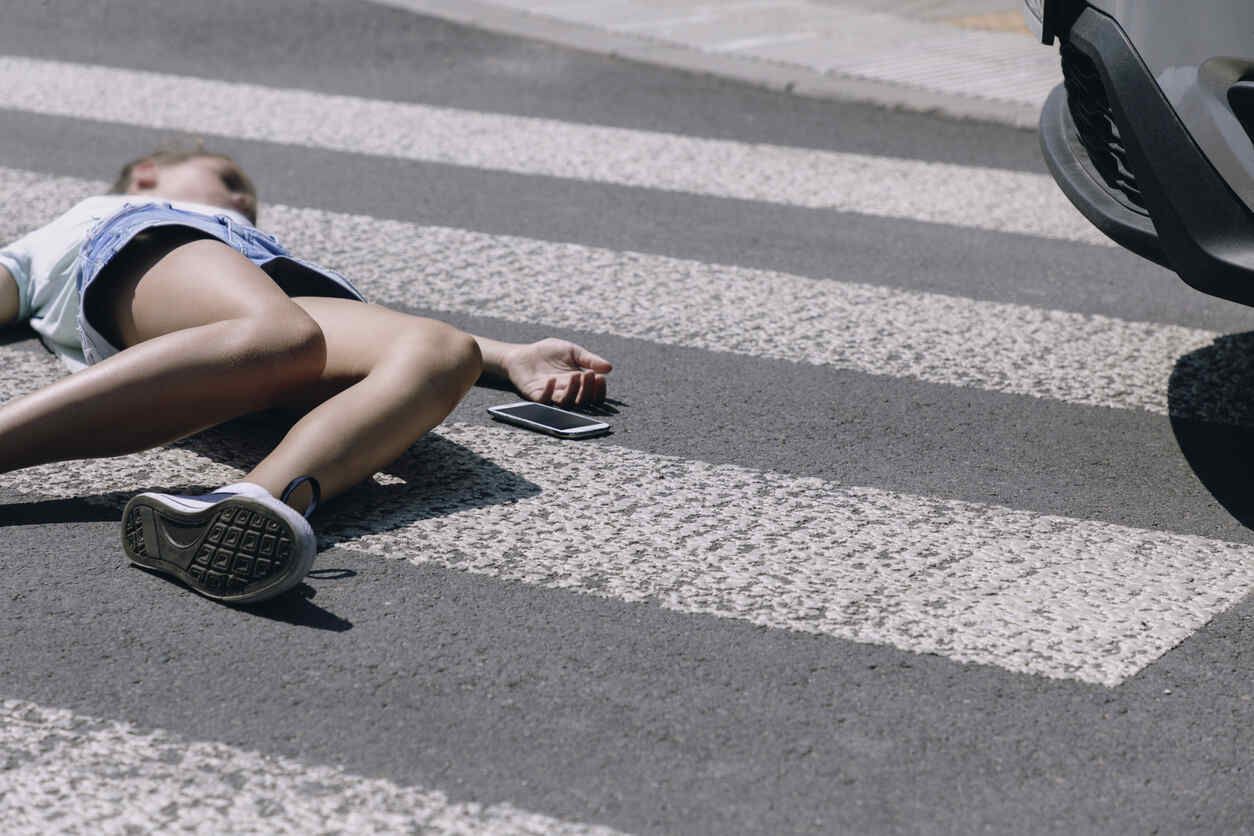
When a child is struck by a vehicle, the consequences can be devastating for families and life-altering for the young victim. California consistently ranks among the states with the highest number of pedestrian injuries, and children are among the most vulnerable road users. Their smaller size, limited visibility, and developing judgment make them especially at risk in residential neighborhoods, school zones, and busy urban areas.
When a child is hurt, the legal considerations become far more complex than in a typical pedestrian case, affecting everything from liability to compensation and long-term medical planning. Understanding these unique issues is essential for families seeking justice and financial support after a negligent driver injures a child.
Why Children Face Greater Danger as Pedestrians
Children encounter risks that adults do not, especially when navigating streets, intersections, and driveways. Their brain development affects how they perceive speed, distance, and danger. They are also harder for drivers to see, particularly near parked cars or in residential areas where drivers may not expect pedestrians.
Common factors that contribute to child pedestrian injuries include:
- Limited visibility due to height.
- Slower reaction time and developing motor skills.
- Difficulty judging vehicle distance and speed.
- Walking unpredictably or darting into the road.
- Drivers are speeding, failing to yield, or being distracted.
Because of these vulnerabilities, collisions involving children often occur at low speeds yet still result in catastrophic injuries, including traumatic brain injuries, fractures, internal trauma, and long-term developmental impacts.
How California Law Treats Child Pedestrian Claims Differently
Cases involving minors demand additional legal protections and procedures. California law recognizes that children cannot make informed decisions about traffic safety as adults do, which affects how liability is evaluated.
Key legal considerations include:
- Children Cannot Be Held to Adult Standards of Care
A child is not expected to exercise the same judgment as an adult pedestrian. Courts evaluate a child’s behavior based on what is reasonable for someone of similar age, intelligence, and experience. This significantly limits drivers’ or insurers’ ability to shift blame to the child.
- California’s Comparative Negligence Rules Apply Differently
While adults may share fault in a pedestrian collision, children are rarely held responsible unless their actions were highly foreseeable. Even then, the percentage of fault is carefully evaluated because the law places greater responsibility on drivers to be vigilant in areas where children are present.
- Parents’ Claims and the Minor’s Claims Are Separate
In California, two distinct claims may arise:
- The child’s personal injury claim.
- The parents’ claim for medical expenses they have paid or will pay on behalf of their child.
Both claims must be carefully coordinated to avoid legal conflicts and to ensure full compensation.
- Court Approval Is Required for Any Settlement
Unlike adult cases, settlement of a minor’s claim must be reviewed and approved by the court. This process ensures that funds are appropriately safeguarded and used exclusively for the child’s benefit. Structured settlements or blocked accounts are standard tools used to protect the award until the child reaches adulthood.
Why Child Pedestrian Cases Often Involve More Severe Injuries
Because children are physically smaller and less able to brace for impact, even a seemingly minor collision can lead to long-term medical challenges.
Injuries may include:
- Traumatic brain injuries.
- Growth plate fractures.
- Spinal or nerve damage.
- Facial trauma or dental injuries.
- Emotional trauma, including PTSD.
Children may require years of follow-up care, developmental support, or corrective procedures, all of which must be accounted for in the claim. This future-focused approach often requires expert testimony from pediatric specialists, neurologists, and life-care planners.
How National Injury Help Supports Families After a Child Is Hurt
The aftermath of a child pedestrian injury is overwhelming for parents, who must navigate medical decisions, insurance issues, and emotional stress while ensuring their child receives proper care. At National Injury Help, we work closely with families to handle every aspect of the legal claim, from gathering evidence to securing expert evaluations and protecting a child’s long-term financial interests.
Our attorneys pursue compensation for:
- Medical treatment and future care needs.
- Rehabilitation and therapy.
- Emotional distress and trauma.
- Parents’ financial losses associated with caregiving.
We also guide families through the court approval process for minors’ settlements to ensure the recovery is preserved and secure.
If your child was struck by a vehicle in California, contact National Injury Help for a free consultation. Our San Diego attorneys are committed to protecting young victims and helping families access the full support they need to move forward.
Note: The information provided in this article is based on reports from publicly available sources, including news outlets, police reports, and eyewitness accounts. National Injury Help has not independently verified all details of the reported incident. If you find any inaccurate or outdated information, please contact us, and we will review and update the content as appropriate. The photo used in this post is for illustrative purposes only and does not depict the actual scene of the incident.
Disclaimer: The content of this article is intended for informational purposes only and does not constitute legal advice or establish an attorney-client relationship with National Injury Help. For legal assistance specific to your case, we encourage you to contact a qualified attorney.
Related Posts
Motorcycle Safety Gear: Can It Influence the Outcome...
Riding a motorcycle offers freedom and adventure on California’s roads, but comes with real risks....
Are Priests and Churches Protected by statutes of...
In a growing national epidemic of clergy abuse highlighted by news headlines almost every day,...
Estrella, AZ – Accidente con peatón en 75th...
Estrella, AZ (17 de julio de 2025) – Las autoridades respondieron a un accidente de...
Free Case Evaluation
Contact Us today for a FREE, Immediate Case Evaluation
Contact Us today for a FREE, Immediate Case Evaluation
Categories
Recent posts
- Phoenix, AZ – Ciclista lesionado en choque en E Southern Ave y S 16th St
- Phoenix, AZ – Bicyclist Injured in Crash at E Southern Ave & S 16th St
- Phoenix, AZ – Injuries Reported in Three-Vehicle Crash at S 24th St & E Baseline Rd
- Yuma, AZ – Injuries in Two-Vehicle Crash at S 17th Ave
- Yuma, AZ – Heridos en choque de dos vehículos en S 17th Ave
What Our Clients Say