Hablamos Espanol - Call 24/7 1 (800) 214-1010
phone Hablamos Espanol - Call 24/7 1 (800) 214-1010

Glendale Personal Injury Lawyer

Glendale Personal Injury Lawyer

A personal injury in Glendale can leave you with mounting medical bills and uncertainty about what comes next. National Injury Help can help you understand your legal options and navigate the claims process.

An accident caused by someone else’s negligence can mean missed work, ongoing treatment, and unexpected expenses. In Glendale, Arizona, part of the West Valley, injuries can result from car crashes on Loop 101 or US 60, falls on unsafe property, and other preventable incidents.

A Glendale personal injury lawyer can help you determine whether you may have grounds to seek compensation. National Injury Help can help you take the next steps toward pursuing a claim while you focus on recovery.

After an injury, you need clear answers about your legal options, not more uncertainty. National Injury Help offers free consultations to help injured individuals understand their options and determine possible next steps. Our team works with a network of attorneys and law firms to review cases and help people pursue legal claims.

Choosing a Glendale personal injury law firm or legal service also means understanding how your case will be handled, who will represent you, and what costs may apply. National Injury Help provides access to legal professionals and offers a no-fee guarantee for qualifying cases, subject to the applicable fee agreement and case expenses.

The goal is to help you navigate the legal process without having to manage every detail alone. While you focus on medical treatment and recovery, the legal team handling your case can assess the circumstances, review relevant information, and explain your options for pursuing compensation.

If you’re unsure whether your injury qualifies for a claim, an initial consultation can help you understand what to consider before deciding how to proceed.


An injury alone does not automatically give you grounds to file a personal injury claim. Under Arizona law, a negligence claim generally requires proof of four elements: duty, breach, causation, and damages.

Depending on the circumstances, a potentially responsible party could be a driver, business, property owner, employer, or manufacturer. For example, evidence may show that a distracted driver caused a collision or that an unaddressed hazard contributed to a fall.

Evidence helps establish what happened and who may be responsible. Photographs, witness statements, accident reports, medical records, and relevant surveillance footage can help support your account of the incident.

Ultimately, whether you have a viable claim depends on the specific facts, available evidence, and applicable Arizona law. A review of these details can help clarify your legal options and whether pursuing compensation may be appropriate.

Accidents can leave Glendale residents facing lasting injuries, medical bills, and lost income. Arizona’s 2025 crash data recorded 953 crashes, including 31 fatal-injury crashes and 82 suspected serious-injury crashes, along with 50 crashes involving pedestrians and 42 involving bicyclists. Workplace injuries are another concern. According to the US Bureau of Labor Statistics, Arizona reported 59,600 private-industry injury and illness cases in 2024, including 35,500 cases involving days away from work, job transfers, or work restrictions. These figures highlight the different ways accidents and injuries can affect people’s lives.

National Injury Help can help people explore legal options for a range of personal injury claims, depending on the circumstances and available legal representation. These may include:

Hit-and-Run Accidents

Uninsured and Underinsured Motorist Claims

Slip and Fall / Premises Liability

Medical Malpractice

Defective Product Injuries

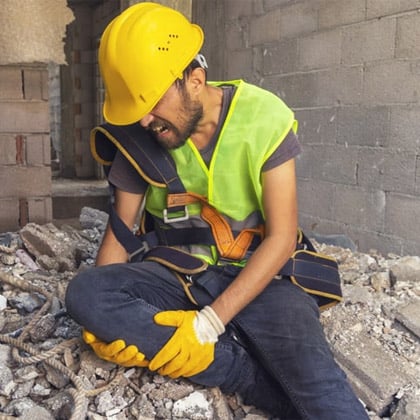
Construction Accidents

Workplace Injuries

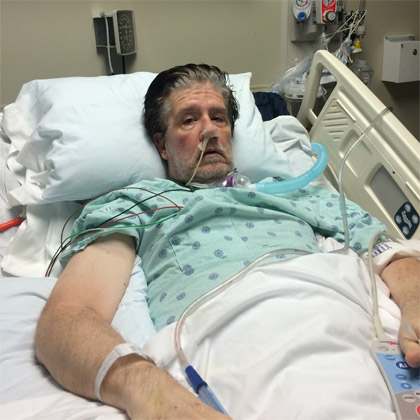
Spinal Cord Injuries

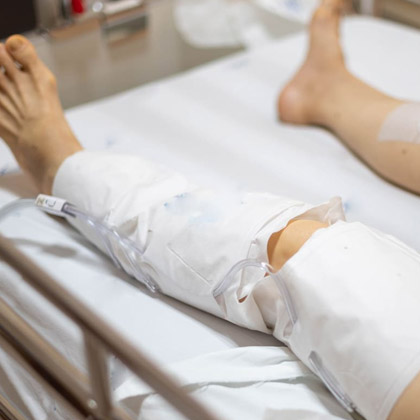
Catastrophic Injuries

The circumstances of each incident, the evidence available, and applicable Arizona law help determine whether a claim may be viable. A review of your situation can help clarify the options available to you.

Glendale’s busy roadways, commercial districts, and developing areas can affect how an accident occurs and how investigators establish responsibility. Understanding the location and circumstances of an injury can help a lawyer identify relevant evidence, determine who may be liable, and build a stronger claim.

Major Roads and Regional Traffic

Loop 101, Loop 303, US 60/Grand Avenue, Bell Road, and Glendale Avenue carry commuter and commercial traffic. When a crash occurs on these routes, vehicle positions, road conditions, traffic signals, photographs, witness accounts, and available surveillance or traffic-camera footage may help establish what happened. Commercial vehicle collisions may also require a closer review of driver records and company responsibilities.

Entertainment, Retail, and Commercial Areas

Westgate Entertainment District and shopping centers such as Arrowhead Towne Center attract visitors to stores, restaurants, and parking areas. Falls or other injuries may involve uneven walkways, poor lighting, inadequate maintenance, or crowd movement. Property inspection records, photographs, and maintenance logs can help determine whether a property owner or another party failed to address a hazard.

Pedestrian, Bicycle, and Public-Space Incidents

Pedestrians and cyclists may be injured near busy intersections, parks, trails, transit stops, and commercial areas. Determining whether a driver, property owner, or another party had a legal duty to prevent the incident is essential. Witness statements, photographs, traffic signals, and visibility conditions can help clarify responsibility.

Construction and Developing Areas

Roadwork and commercial development can introduce temporary hazards, including uneven surfaces, debris, inadequate barriers, or unsafe equipment. A lawyer may need to examine site conditions, contractor records, safety procedures, and inspection reports to identify potentially responsible parties.

An accident can leave you shaken and unsure what to do next. Taking a few practical steps can protect your safety, support your recovery, and help preserve information that may be important to a personal injury claim.

1 Move to a Safe Location

If possible, move away from traffic, damaged vehicles, or other hazards. After a crash on Loop 101 or Glendale Avenue, avoid standing in active traffic lanes. Call 911 if anyone has serious injuries or faces immediate danger.

2 Get Medical Attention

Seek prompt medical care, even if your injuries initially seem minor. Some symptoms may appear later. Follow your healthcare provider’s advice and keep records of your symptoms, diagnosis, treatment, and follow-up visits.

3 Report the Incident

Report vehicle crashes to the appropriate authorities when required. If you are injured on someone else’s property, notify the property manager or owner and request that they document the incident. Report workplace injuries to your employer promptly and follow the applicable reporting procedures.

4 Document What Happened

If it is safe to do so, take photographs or videos of the scene, visible injuries, vehicle damage, hazardous conditions, road signs, and traffic signals. Record the date, time, location, and circumstances while your memory is fresh.

5 Collect Witness and Insurance Information

Gather the names and contact details of witnesses and exchange relevant insurance and identifying information with the other parties involved. Avoid confrontation or arguments about fault.

6 Preserve Records

Keep medical bills, treatment records, prescription expenses, repair estimates, insurance correspondence, and documents showing missed work or lost wages. These records may help establish the financial impact of your injuries.

7 Be Careful With Insurance Statements

Provide accurate information when reporting an incident, but avoid guessing about what happened or making assumptions about fault. Do not minimize your injuries or feel pressured to accept a settlement before understanding your losses and options.

5.0
Based on 1206 reviews

If someone else’s negligence caused your injury, you may be eligible to seek compensation for the losses you have suffered. The amount depends on the severity of your injuries, your financial losses, the evidence available, who bears responsibility, and applicable Arizona law.

Economic Losses

Economic damages cover measurable financial losses, including:

Non-Economic Losses

You may also seek compensation for non-economic harm, including physical pain, emotional distress, reduced enjoyment of life, and disfigurement, where applicable.

Future Losses

Serious or lasting injuries may require ongoing medical treatment, rehabilitation, or long-term care. Compensation may account for reasonably supported future expenses and income losses.

Wrongful Death Damages

When an injury results in death, eligible surviving family members may pursue damages for qualifying losses, such as funeral expenses, lost financial support, and loss of companionship, subject to Arizona law.

Factors Affecting Claim Value

Several factors can influence the compensation available, including injury severity, treatment needs, the strength of liability evidence, insurance coverage, documented financial losses, and long-term effects.

Every claim is different, and no settlement amount or outcome can be guaranteed. A Glendale personal injury lawyer can help you understand which damages may apply to your circumstances and what evidence may support your claim.

A personal injury claim involves more than showing that an accident occurred. A personal injury attorney Glendale residents turn to can help assess the evidence, identify potentially responsible parties, and address legal and insurance issues that may affect a claim. The specific support you need depends on the circumstances of your injury and the complexity of your case.

Investigating the Incident

A lawyer can gather and review accident reports, photographs, surveillance footage, witness statements, medical records, and other relevant evidence. This information can help establish how the incident occurred and whether negligence contributed to your injuries.

Identifying Potentially Responsible Parties

Responsibility may extend beyond the person directly involved in an accident. Depending on the facts, a driver, employer, business, property owner, manufacturer, or another party may bear legal responsibility. Identifying the appropriate parties can help determine which claims may be available.

Reviewing Insurance Coverage

Insurance policies can affect how you pursue compensation. A lawyer can review relevant coverage, help organize claim documentation, communicate with insurers, and assess settlement offers against the available evidence and documented losses.

Documenting Injuries and Losses

Medical records, treatment expenses, wage statements, and property repair estimates can help demonstrate the impact of an injury. A lawyer can also consider whether ongoing treatment, reduced earning capacity, or other future losses may need to be documented.

Negotiating or Preparing for Litigation

A lawyer can present supporting evidence during settlement discussions and respond to disputes about liability or damages. If negotiations do not resolve the claim, they can evaluate whether filing a lawsuit is appropriate and prepare the necessary legal arguments and documentation.

Throughout the process, legal support can help you understand your options and make informed decisions. The approach will depend on your circumstances, the available evidence, and applicable Arizona law.

A personal injury claim involves several stages, from reviewing the accident to reaching a settlement or resolving the dispute in court. The timeline varies depending on the severity of your injuries, the available evidence, and whether the parties agree on responsibility and compensation.

Here is what you can generally expect at each stage:

Step 1: Initial Case Review

The process begins with a review of how the accident happened, the injuries you suffered, and the losses you have incurred. You may need to share medical records, accident reports, insurance details, and other relevant documents. This review also helps identify potential claims and applicable filing deadlines under Arizona law.

Step 2: Investigation

The next stage involves gathering and examining evidence to establish how the incident occurred and who may be responsible. Depending on your case, this may include photographs, witness statements, surveillance footage, official reports, and relevant records. The findings help clarify the strengths and potential challenges of your claim.

Step 3: Medical and Damage Documentation

As treatment progresses, your medical records and expenses help demonstrate the extent of your injuries. You may also need documents showing missed work, lost wages, property damage, and other financial losses. If your injuries have lasting effects, the claim may require evidence of future treatment needs or reduced earning capacity.

Step 4: Insurance Claim and Settlement Negotiation

Once sufficient supporting information is available, a claim may be submitted to the relevant insurer. The insurer reviews the evidence and may accept or dispute liability, request additional documentation, or make a settlement offer. Negotiations can continue as both sides assess the available evidence and potential damages. Filing a lawsuit may not be necessary if the parties reach an acceptable agreement.

Step 5: Resolution

A claim may conclude through a negotiated settlement, another agreed resolution, or a court judgment if litigation proceeds. The outcome depends on the facts, applicable law, and evidence presented. Your lawyer can explain the available options and their implications so you can make informed decisions throughout the process.

An injury caused by someone else’s negligence can leave you uncertain about your next steps. A Glendale personal injury lawyer can help you understand your legal options, address insurance concerns, and determine how to pursue a claim.

Whether you were hurt in a car accident, slip and fall, workplace incident, or another injury-causing event, getting legal guidance early may help you understand your rights and applicable deadlines. National Injury Help can help you explore your options and take the next step toward seeking compensation.

Contact National Injury Help today to discuss your situation and request a free consultation.

Many personal injury lawyers work on a contingency-fee basis, meaning their fee depends on recovering compensation for you. The percentage, case expenses, and payment terms vary. Review the fee agreement carefully to understand what you may owe.

Arizona generally gives you two years from when a personal injury claim accrues to file a lawsuit. Exceptions may apply, including claims involving public entities, which can have much shorter deadlines.

Arizona follows a pure comparative negligence rule. You may still recover damages if you share responsibility for your injury, but your compensation can be reduced according to your percentage of fault.

The timeline depends on injury severity, treatment, evidence, liability disputes, and settlement negotiations. Some claims resolve within months, while complex cases or lawsuits may take longer. Avoid accepting a settlement before understanding your injuries and potential future losses.

Not necessarily. An initial offer may not account for all your medical expenses, lost income, or future needs. Review the offer carefully and consider seeking legal advice before accepting, as a settlement may limit your ability to seek further compensation.

Possibly. You may be able to pursue an uninsured motorist claim through your own policy if you have applicable coverage. Other options depend on the circumstances, available insurance, and the at-fault driver’s financial situation.

Useful evidence may include accident reports, photographs, videos, witness statements, medical records, repair estimates, and proof of lost wages. Preserve relevant documents and records, as they can help establish how the incident occurred and the losses you suffered.